Source Retro Vintage Electric Moped for Commuting, Delivery, and Leisure
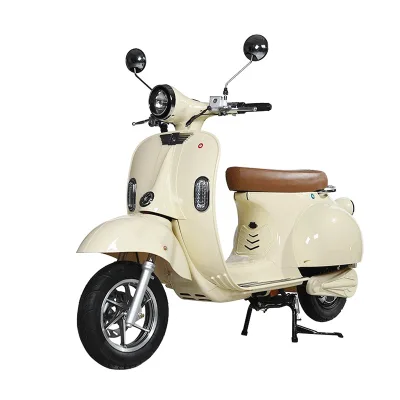
Explore 30 listings for the retro vintage electric moped, featuring brushless motors, steel frames, and lithium or lead-acid battery options. Compare models like Y4-XJG and OS01 to find suitable specs for urban commuting, last-mile delivery, and leisure riding; compare the available evidence and request quotations based on your requirements.
Key considerations
Products List



Comprehensive Sourcing Guide
Retro Vintage Electric Moped Sourcing Guide
Buyers seeking retro vintage electric mopeds must first distinguish between aesthetic styling and functional performance, as the market blends classic frame designs with modern electric drivetrains. The observed product range indicates a strong focus on steel and carbon steel frames, which provide the structural rigidity required for vintage aesthetics while supporting higher power outputs. Sourcing decisions should prioritize models that explicitly list brushless motors and specific battery configurations, as these components define the vehicle's longevity and maintenance profile.
Procurement teams should verify that the "retro" designation aligns with actual technical capabilities rather than relying solely on visual marketing. The available data shows power outputs ranging from 501 to over 2000 watts, with battery voltages varying between 48V and 72V systems. This variance significantly impacts range and top speed, requiring buyers to match the specific powertrain to their intended use case, whether it is urban commuting or longer-distance travel, before committing to a supplier.
Product Scope and Observed Listing Signals
The current market for these vehicles demonstrates a wide spectrum of specifications, with observed power ratings spanning from 501-1000W up to the 1001-2000W category. Buyers must carefully cross-reference the listed wattage with the battery voltage, as a 72V system paired with a high-wattage motor delivers different performance characteristics than a 48V setup. The presence of both lithium-ion and lead-acid battery options further complicates the selection process, necessitating a clear definition of weight, cost, and lifecycle requirements before engaging with suppliers.
Listing signals also reveal significant variation in physical dimensions and wheel sizes, with some models featuring 10-inch or 14-inch tires and others adhering to specific standard dimensions like 1750MM in length. The "folded" attribute is listed as "unfolded" in some contexts, suggesting that while some units may offer compact storage, the primary design focus remains on a traditional, rigid frame structure. Procurement teams should scrutinize the "Customized Colors" and "Integrated Packaging" options, as these indicate a high degree of flexibility for branding and logistics but require clear communication to avoid fulfillment errors.
Technical Specifications to Verify
When evaluating the technical core of a retro electric moped, the braking system and gear configuration are critical safety and performance indicators. The observed data includes both drum brakes and disc brakes, with some listings specifying disc brake systems for enhanced stopping power. Buyers must explicitly confirm the braking type for each unit, as disc brakes generally offer superior modulation and heat dissipation, which is essential for heavier vehicles or those operating in hilly terrain. Additionally, the mention of "3 Speed" gears suggests a multi-speed transmission, which requires verification of the shifting mechanism's reliability and integration with the electric motor.
Battery capacity and charging time are equally vital parameters that directly influence operational uptime and total cost of ownership. Listings indicate charging times ranging from 5 to 8 hours, with battery types split between lead-acid and lithium-ion chemistries. A buyer must verify the specific capacity, often noted as "20 a" in some contexts, to ensure the range claims of 31-60km or 55-70km are achievable under real-world conditions. Confirming the battery position, such as "underpedal," is also necessary to understand the center of gravity and the ease of battery removal for charging or replacement.
Compliance and Safety Documentation
Navigating the regulatory landscape for electric mopeds requires strict adherence to the certifications listed in the product specifications. The observed data includes a comprehensive set of marks such as DOT, COC, EPA, CQC, ISO, ENEEC, and CE, which indicate varying levels of compliance with international and regional safety standards. Buyers must request valid, current certificates for the specific model they intend to purchase, as the presence of a certification on a general listing does not guarantee that every unit in a production run meets those specific safety thresholds.
Documentation verification should extend beyond simple certification numbers to include detailed test reports and conformity declarations. The "Steel" and "Carbon Steel" standards mentioned in the product attributes imply specific material requirements that must be validated against the actual frame construction. Procurement teams should ensure that the supplier provides proof of material composition and structural integrity testing, particularly for models claiming high speeds between 41-60km/h, to mitigate liability risks associated with frame failure or component malfunction during operation.
Cost Drivers and Commercial Terms
The pricing structure for retro vintage electric mopeds is heavily influenced by the powertrain configuration and battery chemistry, with observed prices ranging from $99 to $1,998. Higher price points typically correlate with 72V systems, brushless motors exceeding 1000W, and lithium-ion batteries, which offer longer lifespans and lighter weight compared to lead-acid alternatives. Buyers should analyze the cost per watt and the total cost of ownership, factoring in the expected replacement cycle of the battery, to determine the true economic value of a specific model rather than focusing solely on the initial purchase price.
Commercial terms such as Minimum Order Quantity (MOQ) and packaging options play a significant role in the overall procurement strategy. The observed MOQ range of 1 to 100 units allows for flexibility, enabling buyers to start with small test orders or scale up to bulk purchases. However, the choice between "Integrated Packaging," "SKD," and "CKD" (Semi-Knocked Down or Completely Knocked Down) formats will drastically affect shipping costs and assembly requirements. Buyers must calculate the total landed cost, including duties and assembly labor, when deciding between a fully assembled unit and a kit that requires local manufacturing or assembly.
Supplier Qualification and Quality Control
Supplier qualification for electric mobility products requires a deep dive into the manufacturing origin and production standards. The data indicates origins in Shandong and Xingtai, Hebei, which are known industrial hubs for bicycle and electric vehicle manufacturing. Buyers should verify the specific factory capabilities, including their quality control processes for welding steel frames and assembling electrical systems, to ensure consistency across batches. The presence of "Customization" options suggests that suppliers have flexible production lines, but this flexibility must be balanced with rigorous quality checks to prevent defects in customized components.
Quality control protocols must be established to address the variability in battery types and motor performance observed in the market. Since some listings mention "Lead-Acid Batte" alongside "Lithium-Ion Battery," suppliers must demonstrate their ability to maintain high standards for both chemistries. Buyers should request sample units for independent testing, focusing on critical failure points such as brake performance, battery charging efficiency, and frame durability. Establishing a clear quality agreement that defines acceptable defect rates and remediation procedures is essential for maintaining product integrity in a competitive market.
Long-Term Procurement Checks
Sustaining a successful supply chain for retro electric mopeds requires ongoing monitoring of component availability and after-sales support. The market offers various battery types, and buyers must ensure that the supplier can provide a steady supply of replacement batteries and compatible chargers for the lifespan of the product. Long-term procurement strategies should include securing agreements for spare parts, such as brake pads, tires, and motor controllers, to minimize downtime and maintain customer satisfaction. The "2026NEW" model designation suggests a rapidly evolving product cycle, necessitating a flexible approach to inventory management.
Finally, buyers must plan for the regulatory evolution of electric vehicle standards and the potential for changing certification requirements. As regulations tighten globally, the initial certifications like CE or DOT may need to be supplemented with new compliance documents. Procurement teams should maintain a proactive relationship with suppliers to stay informed about standard updates and ensure that future orders remain compliant. Regular audits of the supplier's production line and quality management systems will help identify potential risks early, ensuring a stable and reliable supply of high-quality retro electric mopeds.
FAQs
What certifications are available for these electric mopeds?
These electric mopeds come with multiple certifications including DOT, COC, EPA, CQC, ISO, ENEC, and CE. Buyers can select models that meet specific regional regulatory requirements. The availability of these certifications ensures compliance for international shipping and local registration, providing peace of mind for B2B procurement teams sourcing compliant vehicles.
Can I customize the color and packaging of the order?
Yes, customization is available for both colors and packaging. Buyers can choose customized colors to match their brand identity. Packaging options include integrated packaging, SKD, CKD, or standard carton packing. This flexibility allows businesses to tailor the product presentation and logistics setup to their specific distribution needs and market preferences effectively.
What is the typical range and speed of these models?
The range per power varies, with some models exceeding 60km and others offering 31-60km. Max speeds typically fall between 41-60km/h. Specific models like the Y4-N1 offer a mileage of 55-70km. These performance metrics ensure adequate urban commuting capability, allowing buyers to match vehicle specs to their target customer usage patterns.
Which battery types and voltages are supported by the mopeds?
The mopeds support various battery configurations including 48V and 72V systems. Battery types range from Lithium-Ion to Lead-Acid options. Some models feature underpedal battery positions. Charging times generally span 5 to 8 hours. This variety allows buyers to select the optimal balance between cost, weight, and energy density for their specific market segment.
What frame materials and braking systems are used in these vehicles?
Frames are constructed from steel or carbon steel for durability. Braking systems include both drum brakes and disc brakes for reliable stopping power. Tire sizes like 10-inch and wheel sizes like 14-inch are common. These robust construction choices ensure longevity and safety, making them suitable for diverse riding conditions and heavy usage in commercial fleets.
Where are these electric mopeds manufactured and what are the origins?
These vehicles originate from manufacturing hubs in Shandong, China, and Xingtai, Hebei. The production locations are established centers for electric vehicle manufacturing. Buyers can trace the origin to ensure supply chain transparency. This geographic concentration often facilitates efficient logistics and consistent quality control for large-scale B2B orders and international distribution networks.